Brampton Food Safety Experts
Commercial cleaning and food safety professionals in Brampton assist food establishments, food centers, bakeries, warehouses, and mobile food services staying compliant. They decontaminate high-contact points, food contact areas, equipment, floors, drains, restrooms, and food handling spaces with approved chemicals, maintaining proper ratios, and documenting contact times. You need scheduled cleaning based on hazard level, food throughput, allergens, and inspections, plus verification records backing HACCP, audits, and public health compliance. The following information outlines what strong sanitation programs must contain.
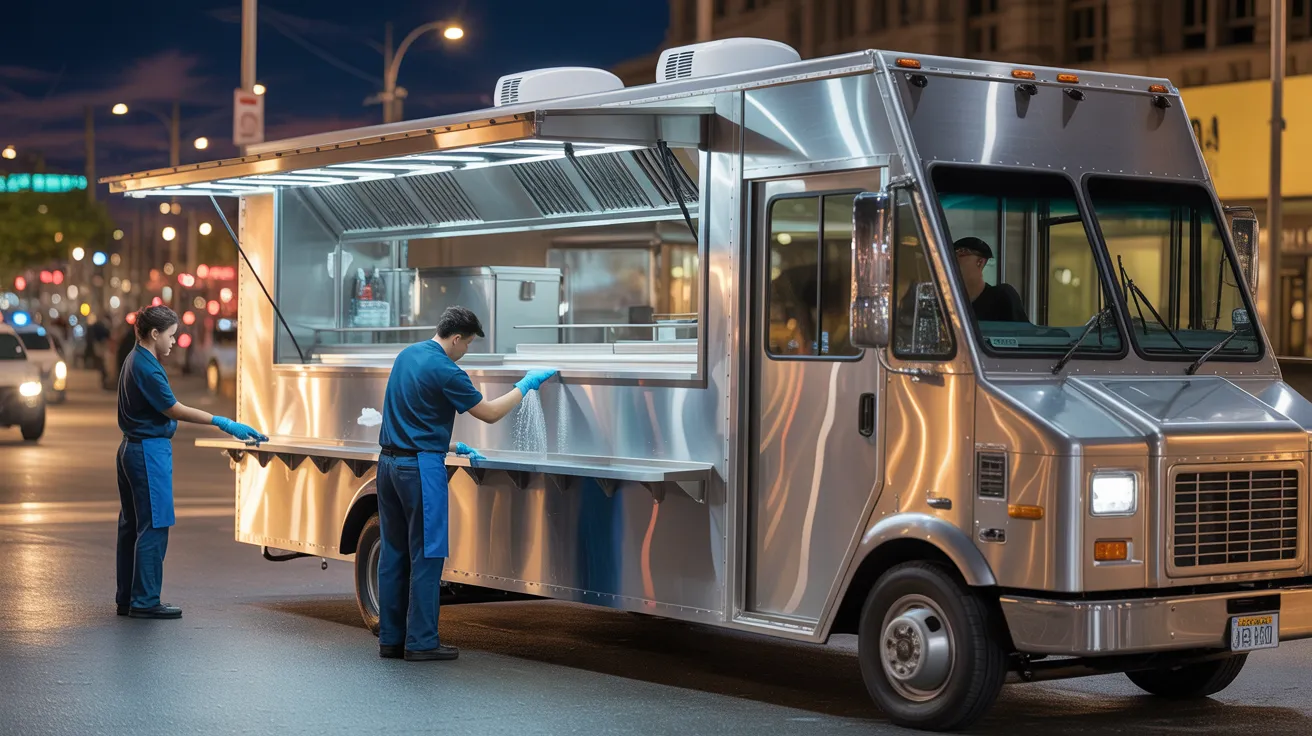
Important Highlights
- Brampton food safety cleaning experts support restaurants, grocery departments, commissaries, warehouses, bakeries, schools, mobile vendors, and allergen-sensitive operations.
- Cross-contamination reduction is ensured by sanitizing high-touch surfaces, food-contact equipment, kitchens, floors, drains, restrooms, and storage areas with compartmentalized approaches.
- Approved sanitizer dilution, suitability, and exposure duration are verified by certified specialists, with finishing filed via swabs, audits, and remedial documentation.
- Sound maintenance calendars take into account danger, output capacity, format changes, accidents, and requirements when assigning everyday, periodic, and seasonal activities by location.
- Insurance, color-categorized instruments, hazard analysis knowledge, health regulatory expertise, WHMIS instruction, credentials, and inspection-ready hygiene files are vital vendor characteristics.
Brampton Establishments That Need Food Safety Cleaning: Which Ones?
Food safety cleaning is required for any Brampton facility that manages, stores, prepares, packages, or distributes food. Apply it to your operation if it comes under health oversight, food standards, or HACCP systems. This includes restaurants, cafeterias, commissaries, grocery food departments, butcher shops, seafood counters, convenience stores, and institutional kitchens.
Documented food sanitation is furthermore essential in storage warehouses, production plants, freezer facilities, bakeries, school nutrition services, reception halls, and meal delivery centers. Portable and seasonal operations count as well, examples including food trucks, event vendors, and temporary stalls. Your facility demands established hygiene procedures should your team handle raw materials, divide prepared foods, warm meals, or maintain allergen storage. In Brampton, sanitation is not elective; it represents statutory, functional, and public health standards.
What Services Do Brampton Cleaning Experts Provide?
Professional cleaning teams specializing in Brampton sanitize touched surfaces, food preparation areas, ground surfaces, and restrooms in compliance with food safety regulations. Emphasis on these spaces occurs because they pose maximum contamination danger, injury hazards, and compliance issues.
If you grasp what they sanitize, you'll successfully ensure your operation satisfies required operational and regulatory standards.
Disinfecting High-Touch Surfaces
assign how frequently each surface is sterilized
using directional workflows, and keeping separate sanitization equipment by zone
Kitchens, Floors, and Restrooms
Expect Brampton cleaning experts to target kitchens, floors, and restrooms because each area carries distinct foodborne illness prevention, accident prevention, and sanitation risks. In industrial kitchens, you need grease removal from cooking stations, appliance surfaces, drain systems, preparation areas, and backsplashes to minimize contamination and pest pressure.
Floor care that is recorded should also be anticipated. Technicians scrub and extract buildup from grout, tile, and vinyl flooring, then apply appropriate drying controls so you can reduce slip incidents and meet regulatory standards. They also handle entryways where moisture and debris migrate indoors.
In restrooms, cleaners treat touchpoints, fixtures, partitions, dispensers, and waste containers then refill supplies and eliminate odor. They also maintain restaurant cleaning supply rooms where product storage, sink cleanliness, and drain systems impact daily sanitation standards and worker protection.
Food Safety Cleaning Significance for Brampton Businesses
Brampton businesses need to implement proper sanitation practices for meeting health code requirements and obtaining approval. You also reduce bacterial spread through proper cleaning of food-preparation surfaces, appliances, and frequently-touched items. Most importantly, you help protect community wellness by reducing the chance of food poisoning in your establishment.
Food Safety Regulations
Brampton food companies must comply with strict public health standards, so food safety cleaning is vital to fulfilling health codes, ensuring the safety of customers, and sidestepping penalties. You must maintain hygienic food handling zones, written maintenance records, proper chemical use, and verifiable staff procedures that meet municipal and provincial inspection expectations.
Thorough sanitation documentation allow you to establish due diligence during official assessments and establish your procedures remain uniform, consistent, and overseen. Comprehensive sanitation moreover promotes allergen management by decreasing particles on joint machinery and frequently touched surfaces.
Cross-Contamination Prevention
Meeting regulatory requirements also depends on your capacity to stop cross-contamination during routine food preparation and sanitation. You must keep raw items away from prepared dishes, clean work areas after each use, and store chemicals away from food-contact items. Established guidelines minimize contamination chances and support consistent compliance during inspections.
Implementing allergen segregation helps keep priority allergens from contacting communal work zones, bins, or devices. Utilize separate boards, color-labeled items, and strict utensil labeling so staff don't mix items during preparation or service. Require handwashing after handling raw meat, seafood, eggs, or allergen-containing products. Replace wiping cloths regularly, and verify sanitizer strength with test strips. When your team learns these guidelines per shift, you create a cleaner, safer operation that meets Brampton's food safety expectations daily.
Community Health Protection
Should food safety cleaning collapse, you don't simply encounter inspection problems—you increase the potential of foodborne illness harming customers, staff, and the wider Brampton community. You also undermine your responsibility in safeguarding community wellness, especially in high-traffic food premises where pathogens travel quickly through surfaces, equipment, and touchpoints.
You need cleaning protocols that eliminate contaminants, disinfect properly, and verify results. That means following contact times, using approved disinfectants, documenting schedules, and educating employees to meet regulatory standards. These measures facilitate disease prevention by reducing pathogens before they contaminate surfaces or food. In Brampton, strong sanitation protects vulnerable populations, limits outbreak potential, and helps you demonstrate proper care. When you clean to standard, you exceed basic requirements—you substantially decrease danger and support safer food service throughout the region.
In What Ways Does Cleaning Help Achieve Food Safety Compliance?
Implementing thorough cleaning protocols backs food safety compliance by minimizing contamination hazards, managing pathogen expansion, and maintaining your facility's adherence to sanitation requirements under HACCP-based programs and public health regulations. You verify that food-handling surfaces appear visibly clean and microbiologically controlled, enabling documented preventive controls and inspection readiness.
Conscientious cleaning also enhances allergen management by eliminating residues that can cause undeclared allergen exposure. When you combine established sanitation practices with regulatory training, your staff can adhere to uniform procedures, employ approved chemicals properly, fill out documentation thoroughly, and manage deviations before escalation occurs. Consistent cleaning facilitates product tracking, confirms corrective steps, and demonstrates due diligence throughout audits. It also helps you safeguard product integrity, sustain regulatory compliance, and reduce the likelihood of enforcement actions, recalls, complaints, and unnecessary health hazards.
What's the Best Time to Plan Commercial Cleaning?
Create cleaning routines based on risk, production volume, and regulatory requirements instead of relying solely on a fixed calendar. You should arrange standard cleaning on a daily basis
special occasions, catering services, or public functions should schedule cleaning both [[before and following for successful event turnaround. Document timing, confirm that work is completed, and adjust routines when hazards, volumes, or regulations evolve
Finding Quality Brampton Cleaning Experts: A Guide
Begin by evaluating providers based on food-safe sanitation requirements—not solely on budget. You should confirm that each organization comprehends CFIA, public health, and HACCP-based requirements applicable to your facility. Request proof of insurance, WHMIS compliance, staff training documentation, and oversight procedures. Assess whether technicians recognize cross-contamination risks, chemical handling protocols, and verifiable sanitation records.
You must also evaluate operational reliability and accountability. Seek references from Brampton food companies, then assess response times, corrective-action procedures, and communication standards. Ensure the company supports supplier audits and can provide inspection-compliant records when authorities or third parties demand verification. Verify equipment care, color-coded items are deployed correctly, and site-specific hazards are understood. A qualified provider protects compliance, product safety, and your market standing.
What's included in a Food Safety Cleaning Plan?
Develop a written strategy that clarifies every sanitation task, standard, and responsibility prior to production start. You should outline cleaning frequencies, approved chemicals, dilution rates, contact times, tools, and verification methods for each location, surface, and apparatus. Include pre-operational inspections, corrective actions, and employee training requirements.
Your plan should also tackle cross-contamination controls, waste handling, pest-prevention measures, and documented schedules for restrooms, drains, floors, and food-contact areas. Outline how you'll separate raw and ready-to-eat processes, facilitate ingredient tracking, and keep accurate allergen labeling through validated cleaning between product changes. You should assign accountability, document signed records, and evaluate results against regulatory standards, HACCP controls, and customer requirements. When gaps appear, modify procedures immediately and retrain staff.
Frequently Posed Questions
Are cleaning services offered for overnight shifts in Brampton properties?
If you run controlled spaces, you'll also need records that support inspections and ensure compliance.
Will Brampton cleaning experts address emergency spills?
Yes, you can discover many Brampton sanitation experts providing spill response services. They handle hazardous incidents, assess dangers, contain affected zones, and initiate rapid cleanup to reduce risk and prevent business disruption. You should verify response rates, certifications, PPE measures, and disposal methods. If your facility must meet compliance standards, select a service that tracks incidents, adheres to standards, and supports verification.
Will environmentally safe disinfectants clean safely food-contact surfaces?
Absolutely, eco-friendly disinfectants remain appropriate for food preparation areas when you choose solutions certified for food use and meeting regulatory standards. You must confirm contact duration, concentration levels, and rinse requirements prior to application. Botanical formulations lower harsh chemical exposure, though you require evidence of effectiveness against relevant pathogens. For keeping surfaces residue-free, follow manufacturer instructions exactly and verify your disinfectant meets food industry regulations.
Will cleaning schedules accommodate seasonal shifts?
Yes, you can adjust sanitation programs for seasonal shifts. You should adjust frequencies, personnel, disinfectants, and testing procedures to align with seasonal patterns while sustaining regulatory requirements. You'll decrease operational delays by planning cleaning around equipment transitions, peak seasons, and operational patterns. You should further modify standard operating procedures, training, and facility monitoring to account for temporary risks, novel allergens, or increased soil loads. Continuous reviews keep your program current.
Will commercial cleaners teach employees on sanitation best practices?
Absolutely, professional cleaning companies regularly deliver employee education on sanitation best practices. Your staff gets training on proper chemical use, dwell times, cross-contamination prevention, machine takedown, and documentation. They generally match guidance with HACCP, GMP, and CFIA or regional health authority requirements. Many also perform sanitation audits to ensure adherence, pinpoint weaknesses, and strengthen corrective measures. This helps you maintain consistent procedures, clear MWAC audits, and lower contamination dangers routinely.
Summary
By collaborating with Brampton commercial cleaning and food safety experts, you aren't simply tidying—you maintain your facility compliance-focused and your standards up to code. From production areas to kitchen zones, every clean surface and maintained corner reduces pest risk and avoids expensive losses. By scheduling cleanings on the right schedule and adhering to a systematic cleaning protocol, you protect staff members, customers, and your standing. In a heavily controlled environment, hygienic conditions must be prioritized—they're key to business compliance.